
Inside residency training: rotations, continuity clinic, board exam preparation, and lifelong learning for family physicians.

How family medicine in-training exam scores work, what percentiles mean, how programs use results for curriculum changes, and practical strategies to turn wea
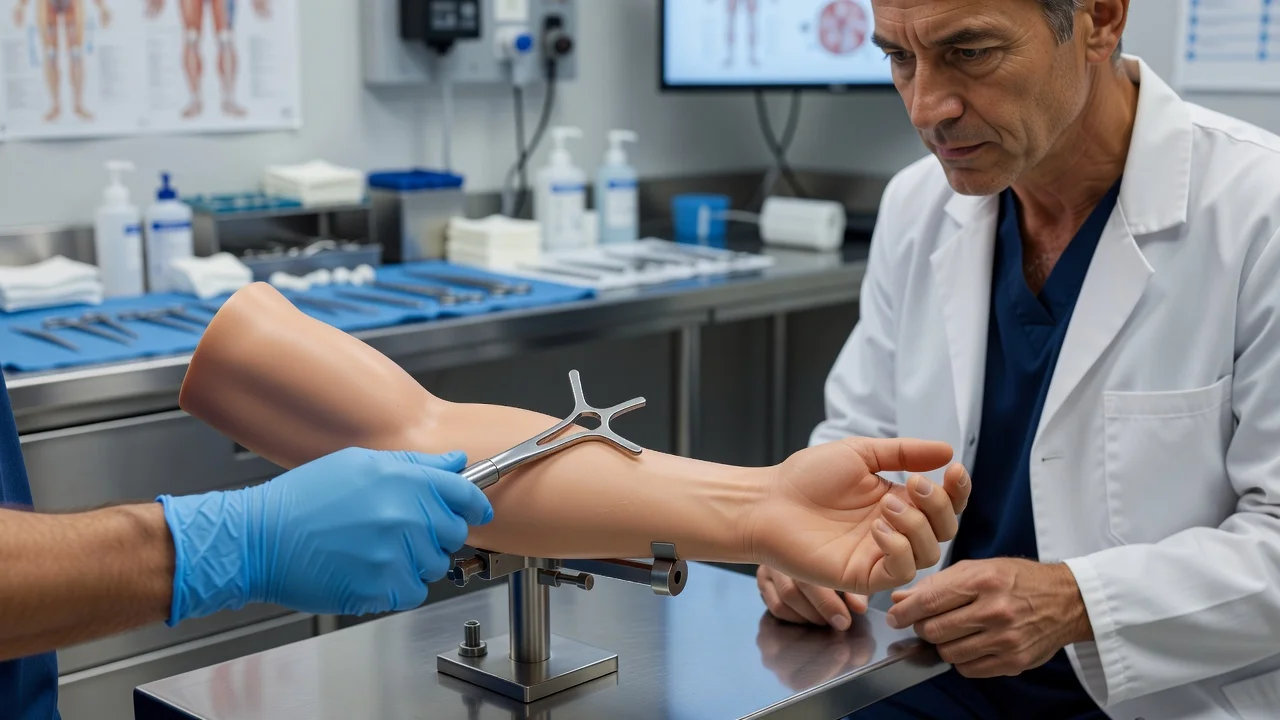
Which procedural skills family medicine residents must learn, how programs teach them, and how competency is assessed through direct observation, simulation,
Inpatient service, obstetrics, pediatrics, emergency medicine, and electives — how three years of rotations build a full-scope family physician.

Question banks, in-training exams, study scheduling around call, and what the pass-rate data says about steady preparation.
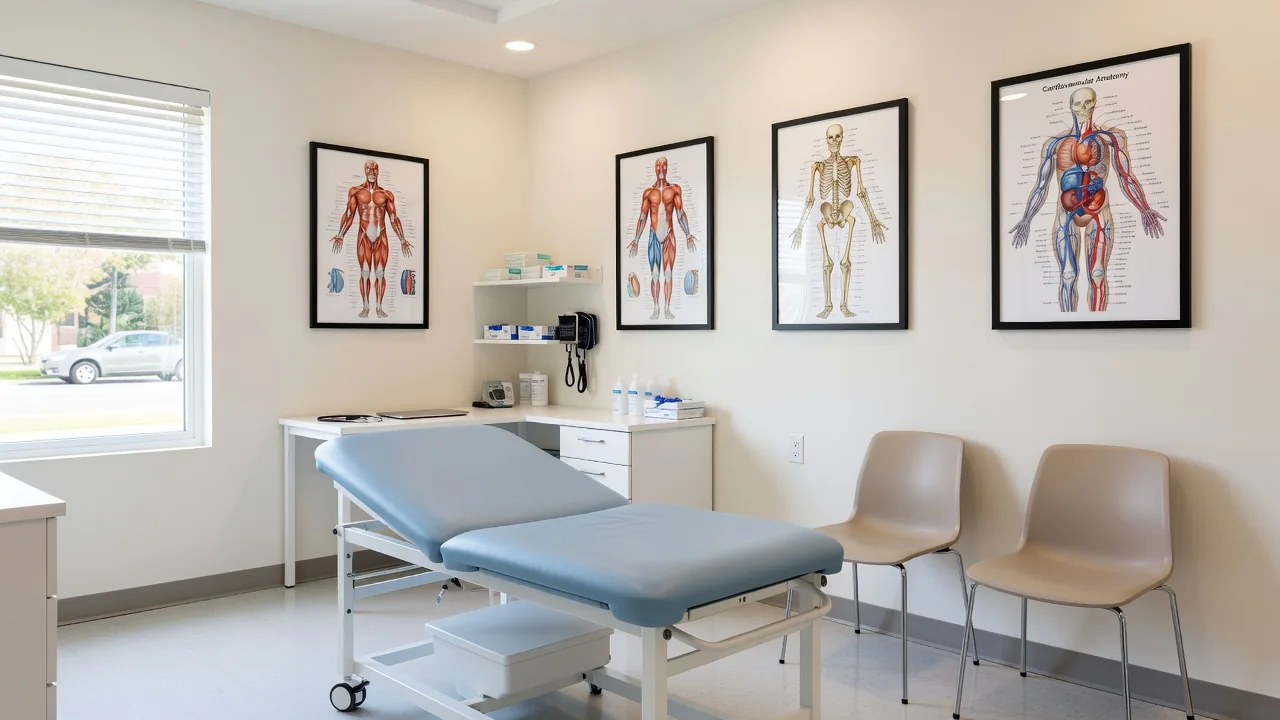
A resident’s own patient panel, precepting, and three years of follow-up — the one experience no rotation can replace.